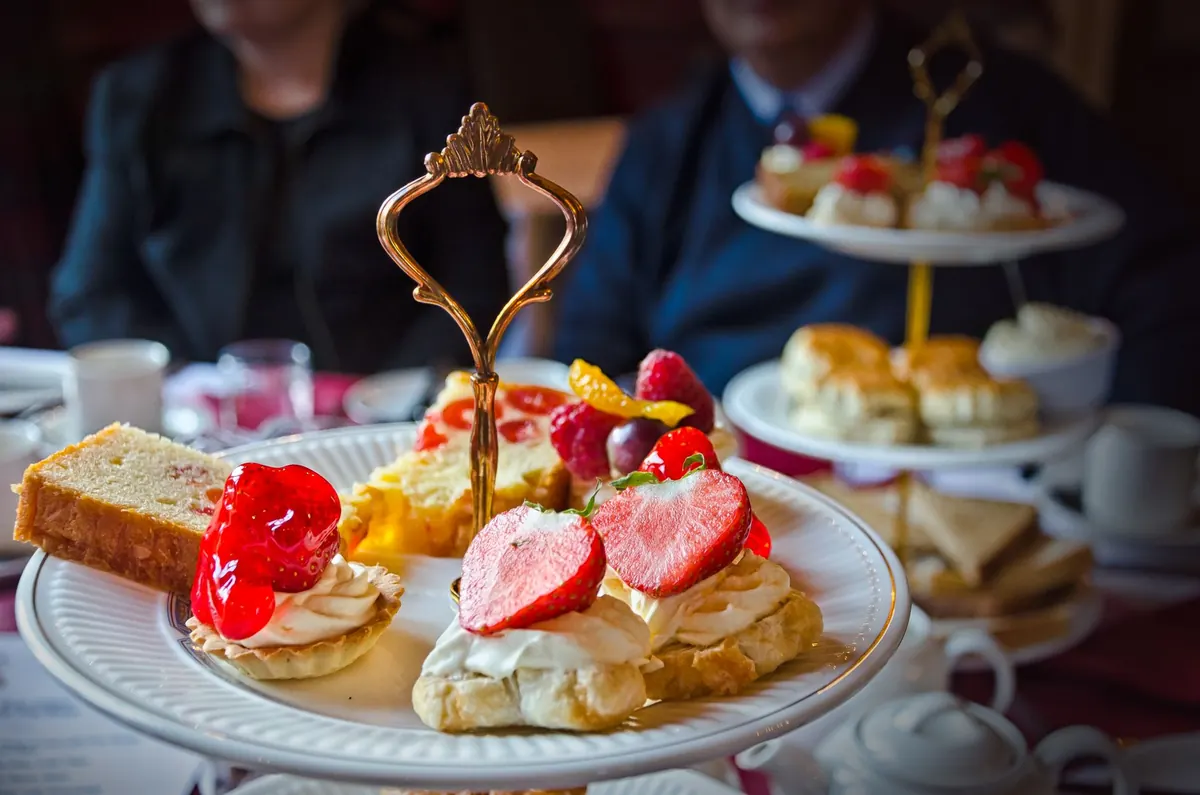
A cream tea in the Cotswolds should be simple: a warm scone, good jam, proper clotted cream, and a pot of tea strong enough to stand up to both. It rarely is. We ordered the standard cream tea at five very different places across the region—a Georgian tearoom, a hotel garden, a farm café, a garden café, and a village hall café. We judged the scones first, then the jam, the cream, the setting, the service, and whether the whole thing felt worth the calories and the money. No advance warning, no special treatment. These are the honest results.
How we judged
We kept the order simple: two scones, jam, clotted cream, and a pot of tea. Where a place offered a choice, we took the plain scone and the house jam. We scored on six things:
- Scones: Fresh? Warm? Crumbly or bouncy? Baked on site or bought in?
- Jam: Homemade or catering tub? Soft set or stiff? Too sweet, or balanced?
- Clotted cream: Thick, buttery, with a yellow crust? Cold and mean, or generous?
- Setting: Comfortable, characterful, or cramped and noisy?
- Service: Welcoming? Rushed? Did the tea arrive before the scones?
- Value: Not the cheapest, but fair for the quality and portion.
One note: in Devon, cream goes on first; in Cornwall, jam first. In the Cotswolds, nobody will scold you either way. Do what tastes good.
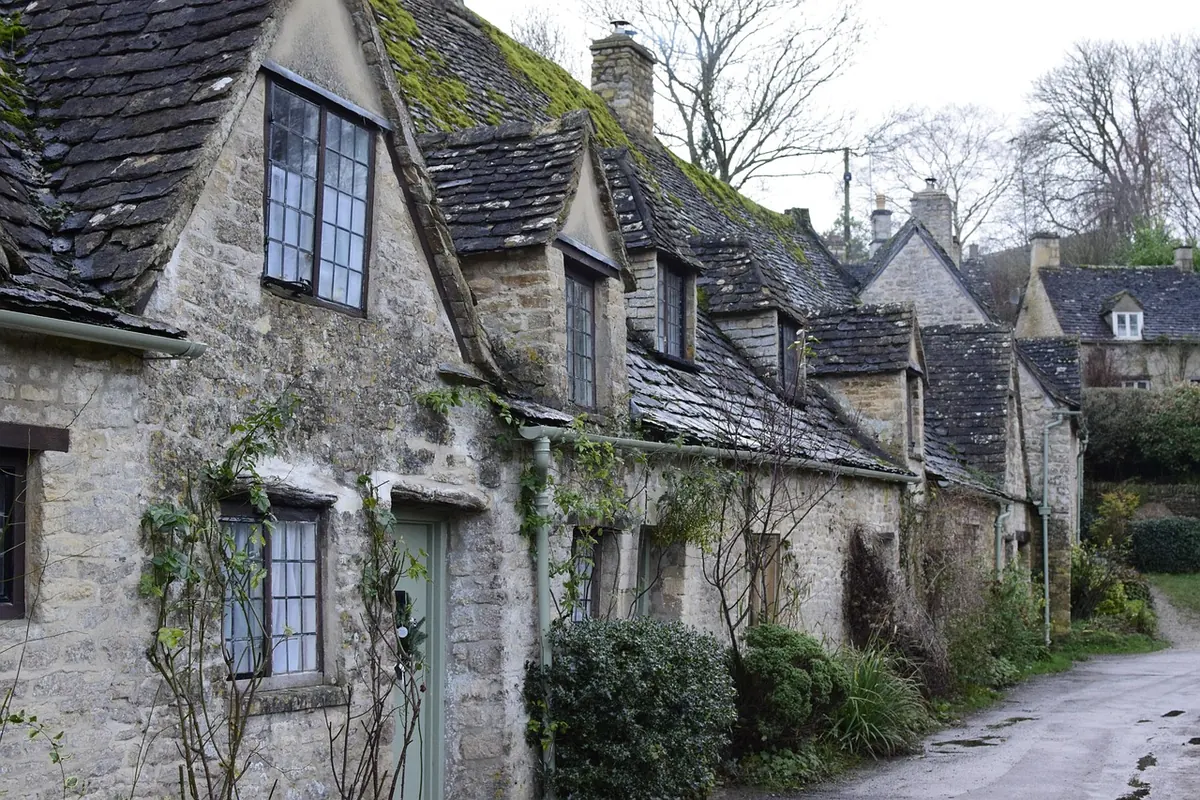
The Georgian tearoom in Burford: proper jam, timid cream
Low beams, mismatched china, a fire doing its best. The scones were warm and decently tall, though slightly dry at the edges. The raspberry jam was the best of the five: loose set, full of seeds, not tooth-achingly sweet. The clotted cream was the letdown. A small pot, fridge-cold, no crust. It smeared rather than spread. Service was kind but stretched—one server for a full room. The setting is the reason to come. Value is mid-range for the area. Worth it for atmosphere, not if cream is your priority.
The hotel garden in Broadway: setting wins, scones lose
Manicured lawn, lavender, comfortable chairs, tea in silver pots. It looks like the Cotswolds of the guidebooks. The scones looked perfect and tasted merely fine: room temperature, a bit cotton-woolly. The jam was a small jar of good strawberry. The cream was generous and properly thick, with a yellow top. Service was polished, almost too attentive; we were asked three times if everything was okay. Value is hotel pricing for small portions. Best for a treat where the view matters more than the baking. If you are hungry, order a sandwich too.
The farm café near Stow-on-the-Wold: best cream, forgettable jam
Long tables, dogs, muddy boots, a queue of locals. This was the most honest of the five. The scones were huge and fresh from the oven—plain, slightly crumbly, still warm in the middle. The clotted cream was the best we tried: deep yellow, dense, faintly salty, enough for both halves and then some. The jam was a generic strawberry portion in a plastic tub. That was the weak point. Service was cheerful and quick. Value was excellent. You get more scone and more cream than anywhere else on this list. Go here if you care about the eating.
The garden café near Bibury: pretty, rushed, inconsistent
Wisteria, stone walls, and a view that sells itself. We waited for a table, then waited again for tea. The scones were uneven—one light and good, one heavy and close-textured. The jam was homemade blackcurrant, which was a nice change, but too stiff to spread without tearing the scone. The cream was cold and already portioned. Service was polite but rushed; our tea arrived after the scones. The setting is photogenic, but tables are cramped and noise levels high. Value is fair for the location, poor for the experience. Worth a stop if you are already in Bibury, not a destination on its own.
The village hall café outside Cirencester: no view, all heart
A community café in a village hall, open a few days a week. Formica tables, noticeboards, a cake stand under a dome. The scones were made that morning: warm, crumbly, not too sweet. The jam was homemade mixed berry, soft set and generous. The cream was proper clotted cream from a local dairy, served in a big bowl with a spoon. Service was the best of the five—volunteers who chatted, refilled tea without being asked, and seemed genuinely pleased we had come. Value was unbeatable. No view, no linen, no fuss. This is where we would return first.
What to order and what to skip
If you want a cream tea that earns its calories, use these rules.
- For the best cream: head to farm cafés and community cafés. They often buy local clotted cream and serve it generously. Hotel cream teas can be lovely, but the cream is often cold and pre-portioned.
- For the best jam: look for “homemade” on the menu or a chalkboard. Ask what flavour it is. If the server does not know, it is probably from a catering tub.
- For the best setting: hotel gardens and tearooms in Burford or Bibury. Accept smaller portions and higher prices.
- For the best value: village halls, farm shops, and cafés slightly off the main tourist trail. You will get more scone, more cream, and a warmer welcome.
- For a proper scone: ask if they are baked on site. If they arrive wrapped in plastic, walk on. A good scone should be warm or at least same-day.
One practical tip: a cream tea is filling. If you are trying more than one in a day, share a portion. Ask for extra hot water rather than another pot of tea. And if you are driving, treat it as a meal, not a snack. Pace yourself.
Ignore the jam-or-cream debate if it stresses you. The Cotswolds is not Devon or Cornwall. Put cream on first if you want a smoother spread; jam first if you want more control. Either way, eat it before the scone cools.
Our pick? The village hall café outside Cirencester for honest value and proper cream. The farm café near Stow for the best clotted cream. The Burford tearoom for atmosphere. The Broadway hotel if someone else is paying. The Bibury garden café only if you are already there. That is the honest answer.
Photo: Wan Mekwi / Pexels