The Cotswolds has three obvious ways to sleep: a bed and breakfast, a pub with rooms, or a self-catering cottage. Which you pick shapes your trip more than which village you pick. A converted barn down a single-track lane outside Guiting Power is a different holiday from a room above a pub in Stow-on-the-Wold, even if both cost roughly the same.
Cost matters, but it is rarely the deciding factor. The real questions are whether you want to drive to dinner, whether breakfast should be cooked for you, whether you are staying two nights or seven, and who is coming with you.
Bed and breakfasts: personal, affordable, run on a schedule
Cotswold B&Bs range from a spare wing of a farmhouse to a former mill with four purpose-built rooms. What they share is a host who knows things a booking site does not: which footpath is ankle-deep in mud after rain, which pub actually serves food on a Tuesday, where to park free in Burford on a Saturday.
Standards vary enormously. Some rooms have been refurbished recently; others still have a corner shower and a floral duvet from another era. Look at photographs of the bathroom specifically, and read reviews from the last six months rather than the last six years. Check the small print on "ensuite" versus "private bathroom" — the second often means a bathroom across the landing, which is fine if you know, irritating if you don't.
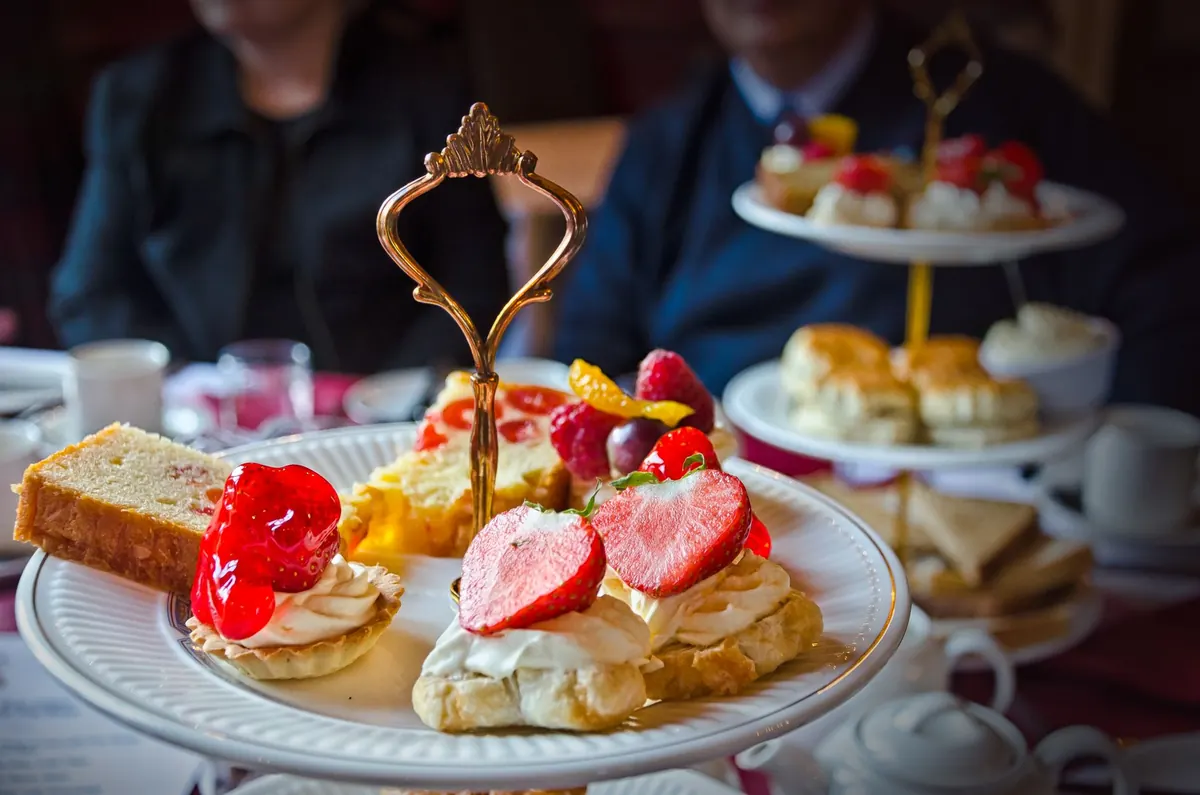
Breakfast is the selling point: cooked to order, usually between 8am and 9am, which sets your whole day's rhythm. Hosts will often make you a packed lunch if you ask the night before, handy if you are walking a stage of the Cotswold Way.
Two things to watch. Check-in windows are often narrow, something like 4pm to 6pm, so tell your host if you are coming from a long way away. And many B&Bs ask for a two-night minimum at weekends and through high summer.
Pubs with rooms: dinner downstairs, bed upstairs
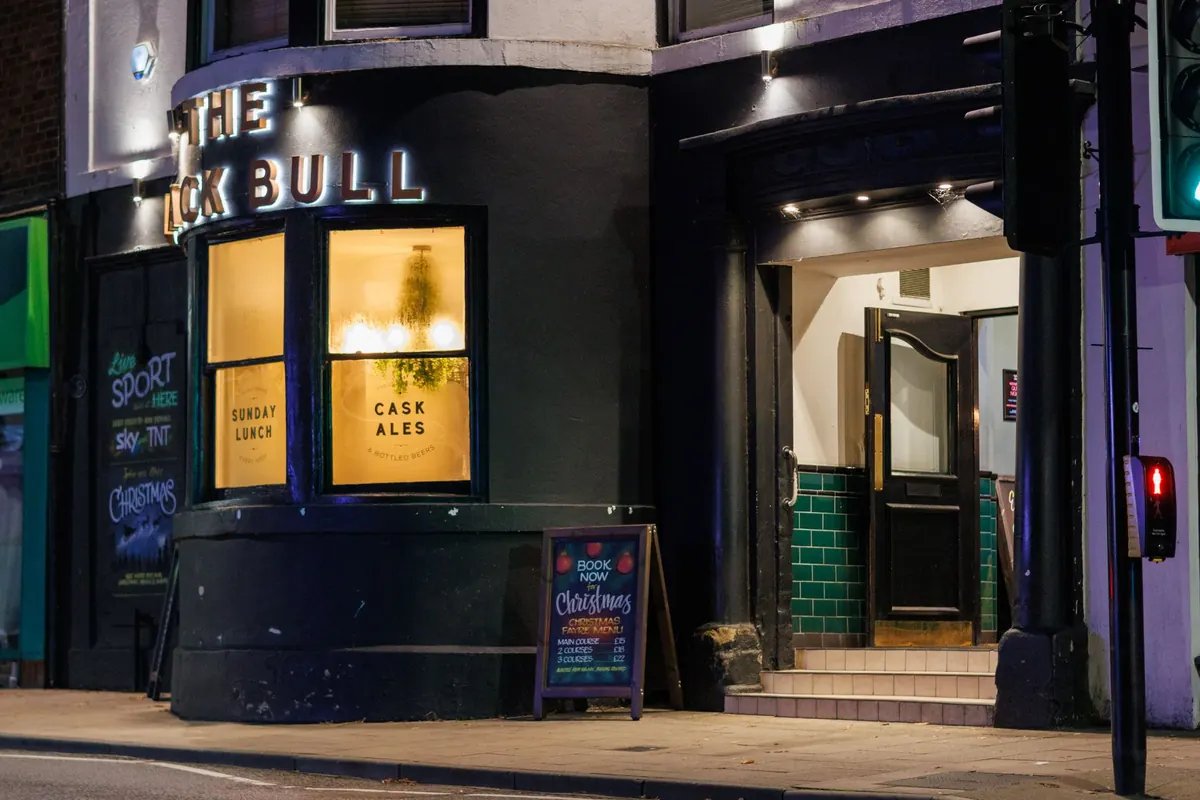
This is the middle option, and for a lot of couples on a short break it wins. You park once, eat well, have a glass of something without worrying about the lane home, and walk upstairs. Breakfast is normally included and is often cooked by the same kitchen that produced your dinner.
The romance of a village pub comes with practical details worth checking before you book:
- Noise. Rooms above the bar are rarely as quiet as the listing suggests. Ask for a room at the back, in an annexe, or in the converted stables.
- Kitchen hours. Many pub kitchens stop serving earlier than you expect, and a fair number close on Sunday evening or all day Monday. If you are arriving on a Monday, confirm food is available or plan to eat elsewhere.
- Room size. "Cosy double" frequently means the bed is against the wall on one side. Read the room dimensions if they are given.
- Minimum stays. Weekend and summer minimums are common, and rates climb for Cheltenham race weeks and school holidays.
Self-catering: the keys to a slower week
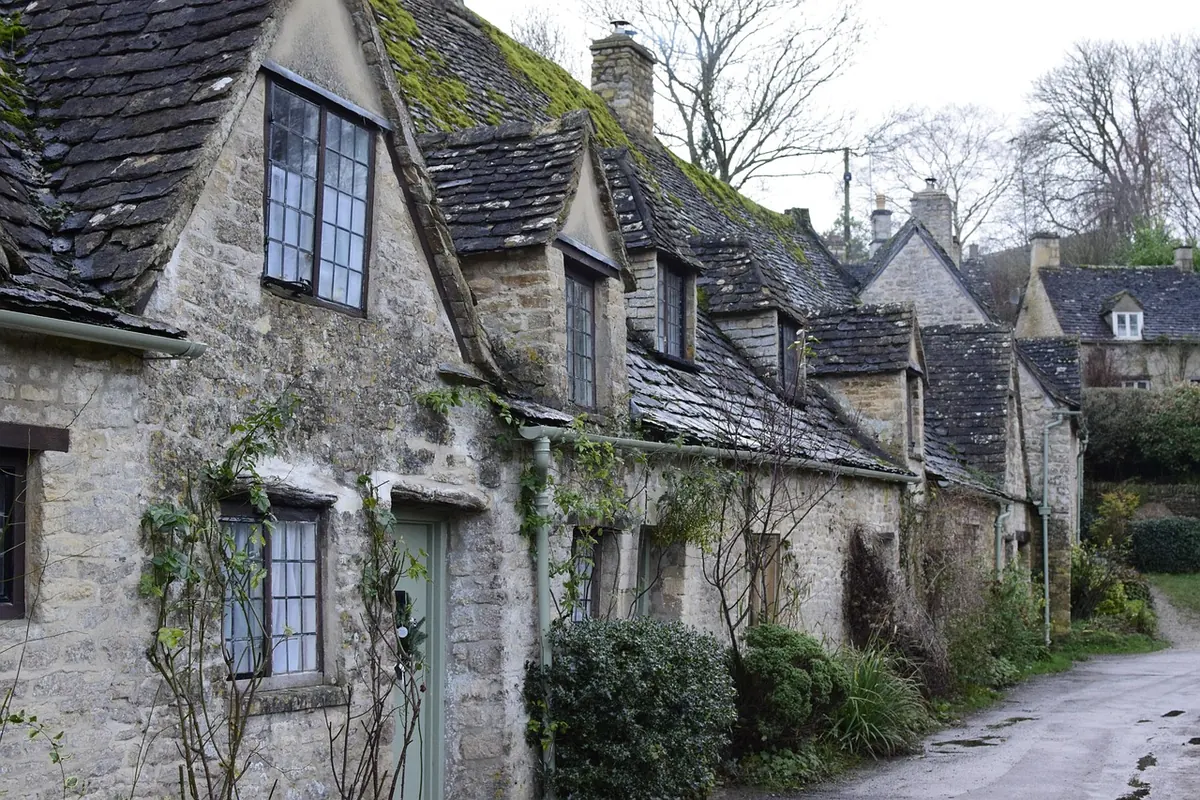
For anything longer than three nights, especially with children, friends or a dog, a cottage usually beats a room. You get a kitchen, a washing machine, a table big enough to eat at, and the freedom to come and go at odd hours without tiptoeing past a host.
What you lose is the local knowledge and the cooked breakfast, and the costs add up in ways the headline price hides. Cleaning fees are standard, many places run Saturday-to-Saturday in high season, and you will do a full grocery shop on arrival. Read the "what's included" list carefully: some cottages leave logs, tea, towels and a welcome hamper; others expect you to bring dishwasher tablets, bin bags and toilet roll.
Parking deserves a hard look. A cottage described as "in the heart of Stow" may mean a permit zone three streets away, and a property "with countryside views" may sit at the end of an unmade track that your hatchback will not enjoy. If you are arriving after dark, ask for directions rather than trusting a postcode.
The three compared
- Cost: B&Bs are generally the cheapest per night, pubs with rooms sit in the middle, and self-catering looks expensive for two nights but often works out best per head over a week — once you count the meals you cook instead of buy.
- Flexibility: self-catering wins comfortably. Late arrivals, early starts, fussy eaters, dogs and toddlers are all easier in a place with its own front door.
- Location: pubs with rooms put you in the middle of a village. B&Bs are often on the edge of town or in a hamlet a mile out. Cottages can be anywhere, including somewhere you would not want to walk home from in the dark.
- Ideal trip: a two-night break for two suits a B&B or a pub with rooms. A week with family or friends suits self-catering. A walking holiday suits B&Bs and pubs spaced along the route.
Matching the stay to your trip
A long weekend for two
Choose a pub with rooms if you want dinner and bed in the same building. Choose a B&B if you are happy to drive ten minutes to eat and ten minutes back, and would rather spend the difference on the meal.
A week with children or a group
Self-catering, without much debate. Book early for July and August, and check whether the garden is enclosed if you have a dog or a toddler.
Walking the Cotswold Way
Mix B&Bs and pubs with rooms, one night at a time. Book the whole chain before you leave, and if you want your bag moved between stops, arrange that well in advance rather than hoping to sort it locally.
No car
Base yourself in a town or village on a bus route or near the Oxford to Worcester train line, and stay in a B&B or a pub with rooms rather than a cottage at the end of a lane. Taxis in the Cotswolds are scarce and need booking ahead, so a self-catering base in the sticks without a car is a recipe for a very quiet week.
How to decide in five minutes
Ask three questions. Are you staying two nights or more than three? Do you want to walk to dinner? Is anyone in the party under five or over seventy, or bringing a dog? Fewer than three nights plus a walkable dinner points to a pub with rooms. Longer stays, children or dogs point to self-catering. Everything else is a good B&B.
Whichever you choose, book directly by phone or email if you can. You will often get a better room, an honest answer about noise and parking, and a host who remembers you when you ask for a late check-in. Then read the cancellation terms properly before you pay a deposit, because Cotswold weekends sell out and the policies are strict for good reason.
Photo: HarryJBurgess / Pixabay