Most Cotswolds trips include one pub that disappoints. It is rarely awful. It is usually just expensive, slightly tired, and built around people passing through: a laminated menu that hasn't changed since the last Olympics, a garden of identical benches, and a bar you can't reach because every table is booked until nine. The other sort of pub — the one where the landlord nods at the man on the end stool — takes about ten minutes of checking before you ring. Here is what to look at.
Start with the menu, not the reviews
Reviews tell you whether a place was busy on a wet Saturday in August. The menu tells you who it is cooking for. A proper village pub tends to run a short list: eight or ten mains, a couple of puddings, and a specials board that changes with the week. Look for things that could only come from here — Gloucestershire Old Spot pork, Cotswold lamb, double Gloucester, local game in season, a trout dish, proper cider on the list alongside the lager.
Warning signs are not always obvious. A long menu of nachos, curry, burgers and lasagne can still be cooked well, but it usually means a freezer and a supplier rather than a kitchen. Compare the wording with two or three other pubs in the same area online. If the descriptions match word for word, you are looking at a bought-in template, and the food will taste like it.
Check the hours the way a local would
Traditional Cotswold pubs often close in the afternoon. Lunch service finishes, the doors shut for two or three hours, and they reopen for the evening. Others shut on Mondays and Tuesdays, or open Wednesday to Sunday only. That is not laziness; it is what the village supports. If you want a pint at 4pm on a Tuesday, know in advance that you may be driving to the next village.
The important detail is the kitchen. Pub hours and food hours are rarely the same. Expect food roughly noon to 2.30pm and 6pm to 9pm, with drinks running later. Many pubs publish the bar times on their website and leave you to guess the rest, so ring and ask two questions: when does the kitchen stop, and are you open between lunch and dinner? A pub that answers the phone at 11am is a pub that is paying attention.
Look at the garden, and who is in it
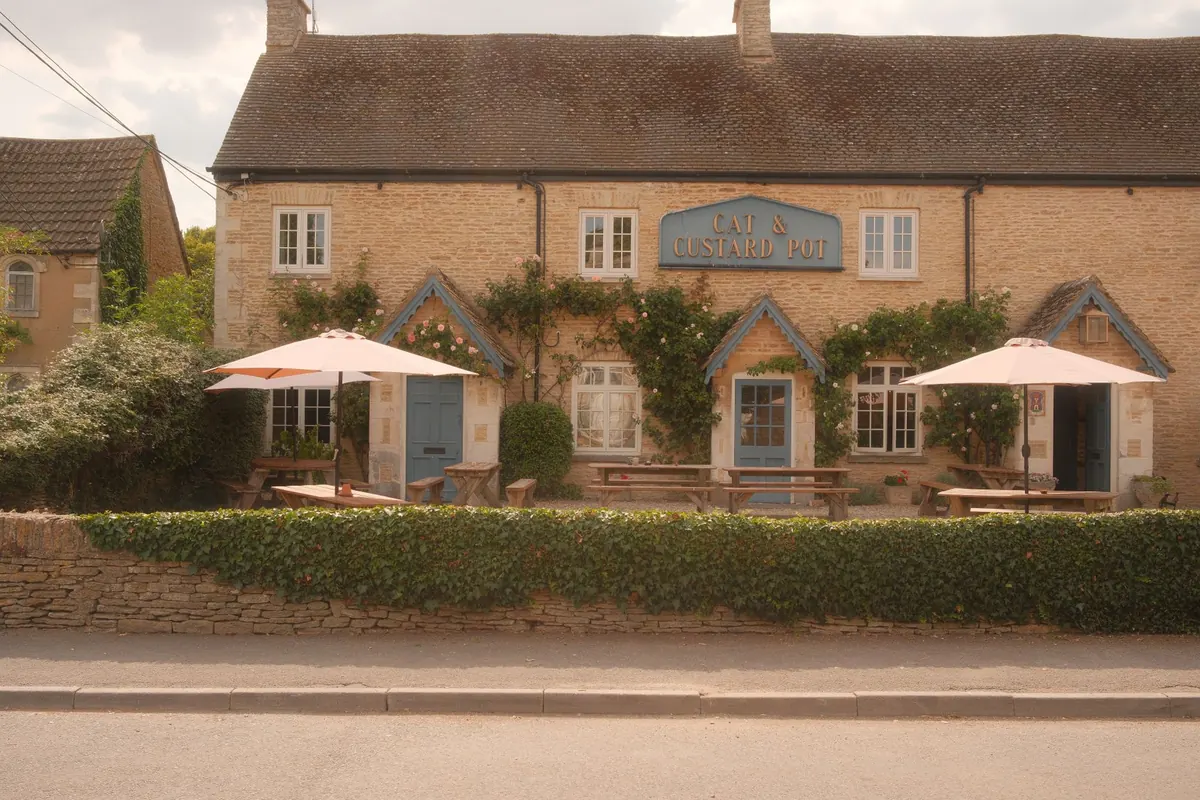
A genuine pub garden is slightly uneven. Grass, a few planters, a climbing rose doing its own thing, mismatched tables, a water bowl for dogs, and a corner under cover for the smokers. It might be small and back onto the churchyard.
The tourist-facing version is easier to spot: a large gravelled terrace, rows of identical tables, festoon lights, a branded parasol, and a menu of small plates. That can be a perfectly nice afternoon. It is just a different thing from a bench in the shade with a pint of bitter and a packet of crisps.
Two practical checks: does the garden get any shade in the middle of the day, and is it actually open? Plenty of pubs shut the garden in winter or when the ground is wet, and none of them mention it online.
Work out the booking rules before you ring
This is where expectations go wrong most often. Real locals-first pubs frequently refuse bookings altogether, or take them only for tables of six or more, or only for the dining room and keep the garden and bar for walk-ins. Others hold a table for fifteen minutes and no longer.
Ask directly:
- Do you take bookings for drinks only, or just for food?
- Is Sunday lunch bookable, and how far ahead?
- How long do you hold a table before releasing it?
- Do you keep any tables back for people who turn up?
"We always keep a few tables free" is one of the best sentences you can hear. A card deposit for Sunday lunch is normal now, even at very good pubs, so don't read too much into it. A pub that offers you only 5.30pm or 8.45pm is telling you it is a restaurant with a bar attached. Fine if that is what you want; frustrating if you wanted to sit by the fire with a pint.
Read the room at the bar
Ten seconds inside will tell you most of what you need to know. Look for handpumps that are actually on, a chalkboard naming the beers and where they come from, a parish noticeboard, a darts or skittles team sheet, and people at the bar who are not waiting to be seated. If the regulars stop talking when you walk in, that happens in villages everywhere and is not necessarily hostility — but if there are no regulars at all, the pub is not being used by the people who live there.
The clearest red flag is a pub where every table is laid up for dining and the bar area is just a waiting zone with three stools. That is a restaurant. Ask about the beer, too: which is selling best, and how often the pumps change. A pub with nothing on cask, or the same two beers off for weeks, has stopped trying.
The eight-point check
- The menu is short, seasonal and specific to the area.
- Opening hours make sense for the village, not for coach traffic.
- Kitchen times are published or easy to confirm by phone.
- The garden is somewhere you would actually sit, with shade and somewhere dry.
- The booking policy is clear about drinks, Sunday lunch and how long a table is held.
- There is life at the bar that has nothing to do with dinner.
- Cask beer is on, turning over, and staff can talk about it.
- Dogs, children, walkers and muddy boots are either welcomed or clearly not — and you know which before you arrive.
One last thing before you book
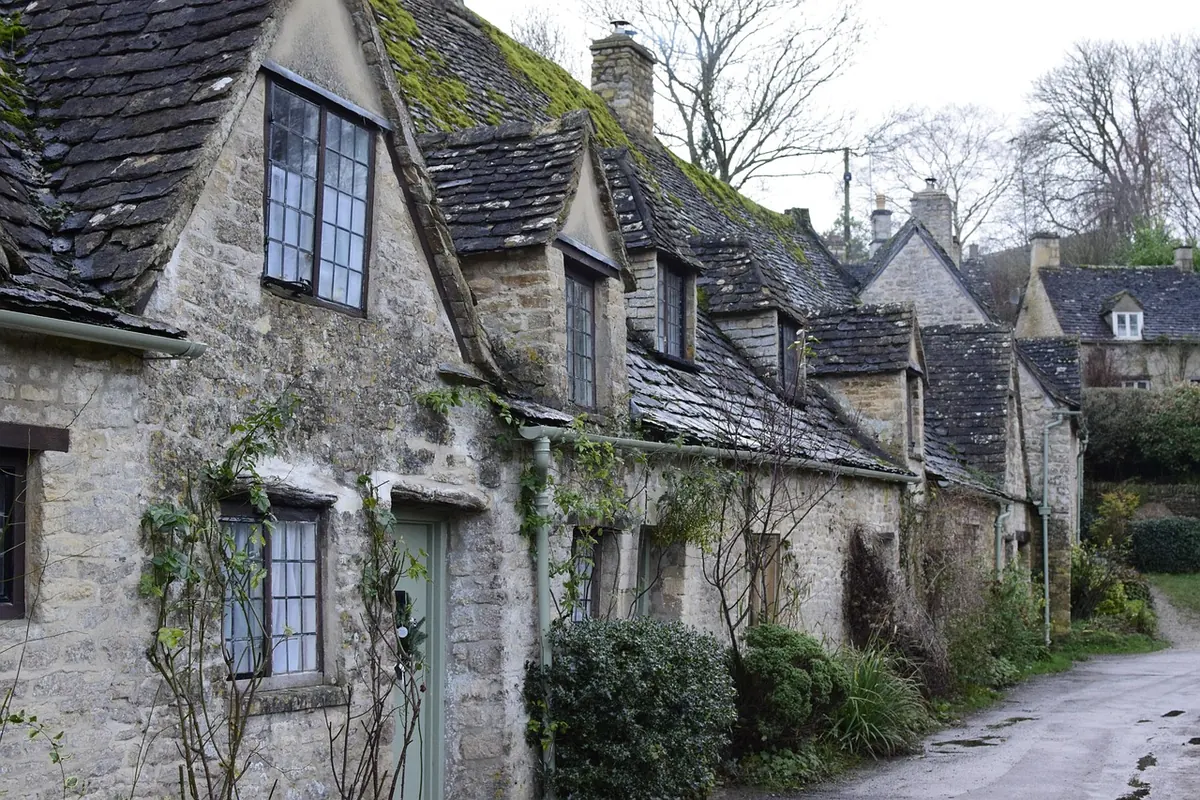
Pick the village one along from the famous one. The pub in the village with a church, forty houses and no gift shop is usually cheaper, quieter and better, and it is often a ten-minute drive from the place everyone photographs. If you are walking, ring ahead and ask about the footpath and the last food orders, because a three-mile walk back in the dark is a poor end to a good lunch. Book Sunday lunch by Thursday if you can, always have a second pub in mind, and if anyone in your group has an allergy, mention it when you book rather than when you order. And if you are driving, decide who isn't drinking before the first round goes in — the lanes here are narrow, dark and full of bends.
Photo: Ben Prater / Pexels